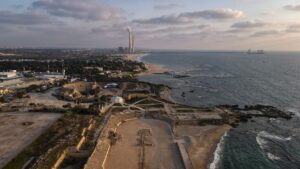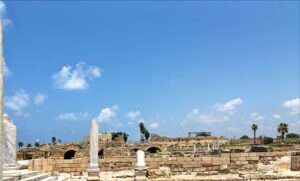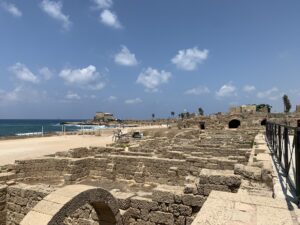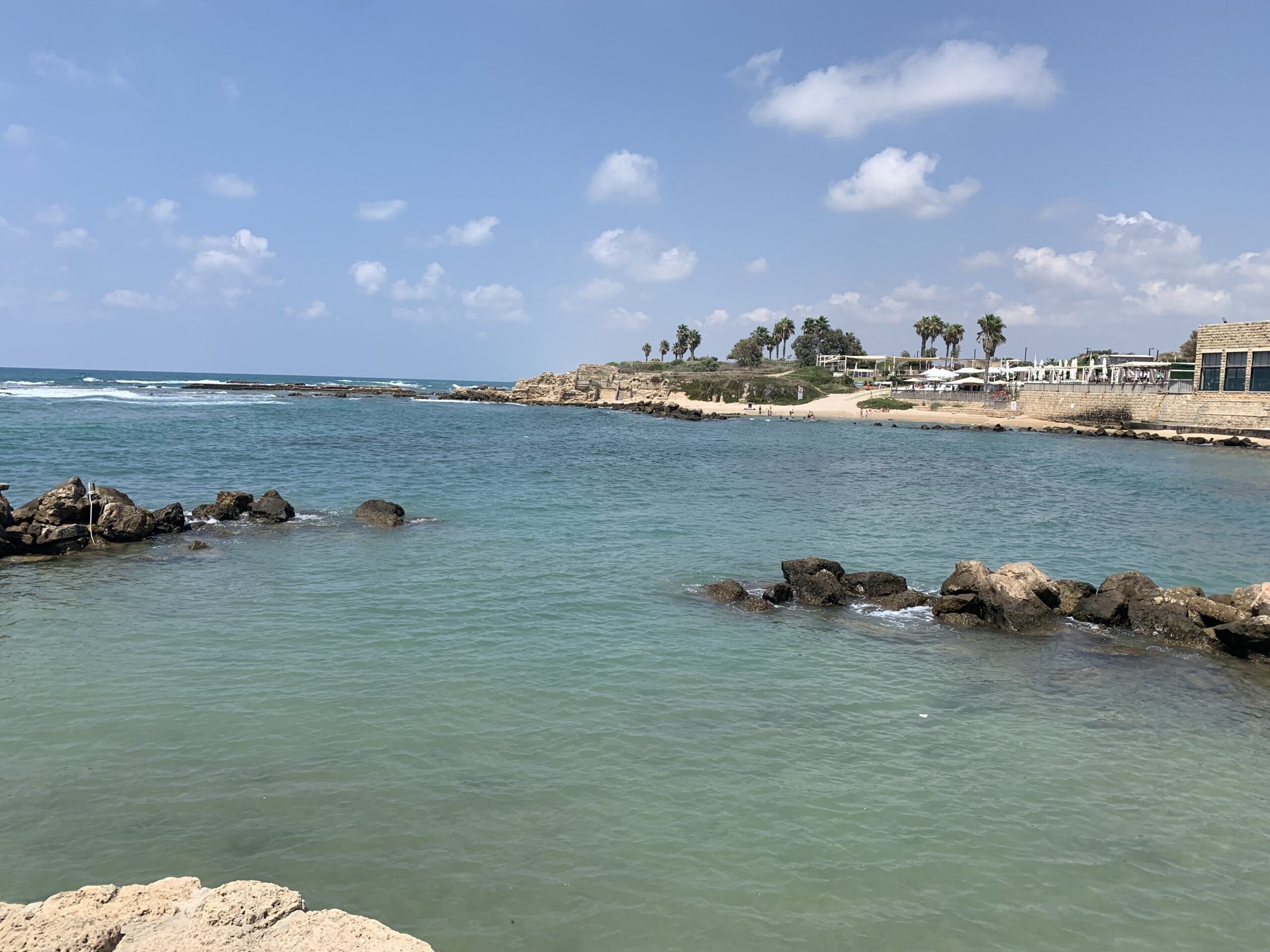
Caesarea Maritima, a prominent city in antiquity, housed a prison that played a significant role in the life of the Apostle Paul. According to the New Testament, Paul was held in captivity in this coastal city during his journey as a missionary. The Book of Acts recounts that Paul, also known as Saint Paul, was imprisoned in Caesarea for two years, awaiting trial before Roman authorities.
The prison in Caesarea Maritima was more than a mere holding facility; it became a pivotal backdrop for Paul’s interactions with Roman officials, including his defense before Governor Felix and subsequent hearings. The accounts in Acts detail how Paul, an influential figure in early Christianity, utilized these moments to share his faith and engage in discussions about righteousness, self-control, and the coming judgment.
The prison’s significance extends beyond Paul’s personal narrative, as it reflects the broader context of the Roman judicial system and its interaction with early Christian leaders. The remnants of Caesarea Maritima’s prison stand as a tangible link to the historical and religious tapestry of the ancient world, providing insights into the challenges faced by early Christians as they navigated the complexities of Roman governance and spread their message across the Mediterranean.